Exploring the Beauty and Benefits of a Well-Manicured Grassed Area
In many parts of the United States, particularly in suburban and rural areas, grassed areas are a staple of outdoor spaces. These areas not only provide a touch of natural beauty to homes, parks, and public spaces but also serve as a venue for recreational activities, social gatherings, and relaxation. With the increasing awareness of the importance of green spaces in urban planning, the maintenance and upkeep of grassed areas have become a significant aspect of community development and environmental sustainability.
Understanding the Context of Grassed Areas
Grassed areas come in various forms, from meticulously manicured lawns in residential neighborhoods to expansive green fields in public parks. The concept of a grassed area is not just about aesthetics; it also encompasses the ecological and social benefits that these spaces provide. For instance, grassed areas help in reducing urban heat island effects, mitigating stormwater runoff, and promoting biodiversity. Moreover, they offer community spaces for physical activity, cultural events, and social interaction, thereby contributing to the mental and physical well-being of individuals.

Step-by-Step Guide to Creating and Maintaining a Grassed Area
Creating and maintaining a grassed area involves several steps, starting from choosing the right type of grass species suitable for the local climate and intended use of the area. This is followed by soil preparation, which includes testing the pH level and adjusting it if necessary, and adding organic matter to improve soil fertility and drainage. After planting the grass, regular maintenance is crucial and includes watering, mowing, fertilizing, and controlling weeds and pests. Proper maintenance not only ensures the health and appearance of the grass but also helps in preventing environmental issues such as water pollution and soil erosion.
Benefits and Implications of Well-Maintained Grassed Areas
A well-maintained grassed area offers numerous benefits, both to the individuals who use these spaces and to the environment. On a personal level, spending time in green spaces can reduce stress levels, improve mood, and provide opportunities for physical exercise. On a broader scale, grassed areas play a critical role in urban ecosystems, helping to purify the air, manage water cycles, and support local wildlife. However, the creation and maintenance of these areas also come with challenges, such as water consumption, the use of chemical fertilizers and pesticides, and the potential for overuse and degradation. Therefore, it is essential to adopt sustainable practices and community-based approaches to ensure that grassed areas continue to thrive and provide their benefits for generations to come.

Cautions and Considerations
While grassed areas offer numerous advantages, there are also considerations that need to be taken into account. The maintenance of these areas can be resource-intensive, requiring significant amounts of water, fertilizers, and pesticides, which can have negative environmental impacts if not managed properly. Additionally, the choice of grass species and maintenance practices can affect the biodiversity and ecological health of the area. Therefore, it is crucial to adopt environmentally friendly practices, such as using drought-resistant grass species, implementing efficient irrigation systems, and promoting integrated pest management techniques. By doing so, we can ensure that our grassed areas not only provide aesthetic and recreational value but also contribute to a more sustainable and resilient environment.
Looking Ahead: The Future of Grassed Areas in Community Development
As urban areas continue to grow and the importance of green spaces becomes more recognized, the role of grassed areas in community development is likely to evolve. There will be a greater emphasis on creating sustainable, multifunctional green spaces that not only provide recreational areas but also help in managing urban environmental challenges. This might involve incorporating more native plant species, implementing innovative irrigation technologies, and designing spaces that cater to a wide range of community needs. By embracing these changes and challenges, we can work towards creating vibrant, inclusive, and environmentally conscious communities where grassed areas play a central role in enhancing the quality of life for all residents.
Grassed Area | MCEC

Grassed area | MCEC
Grassed Area | MCEC

Grassed area | MCEC
Grassed Area Surrounded By Trees Stock Photo - Alamy
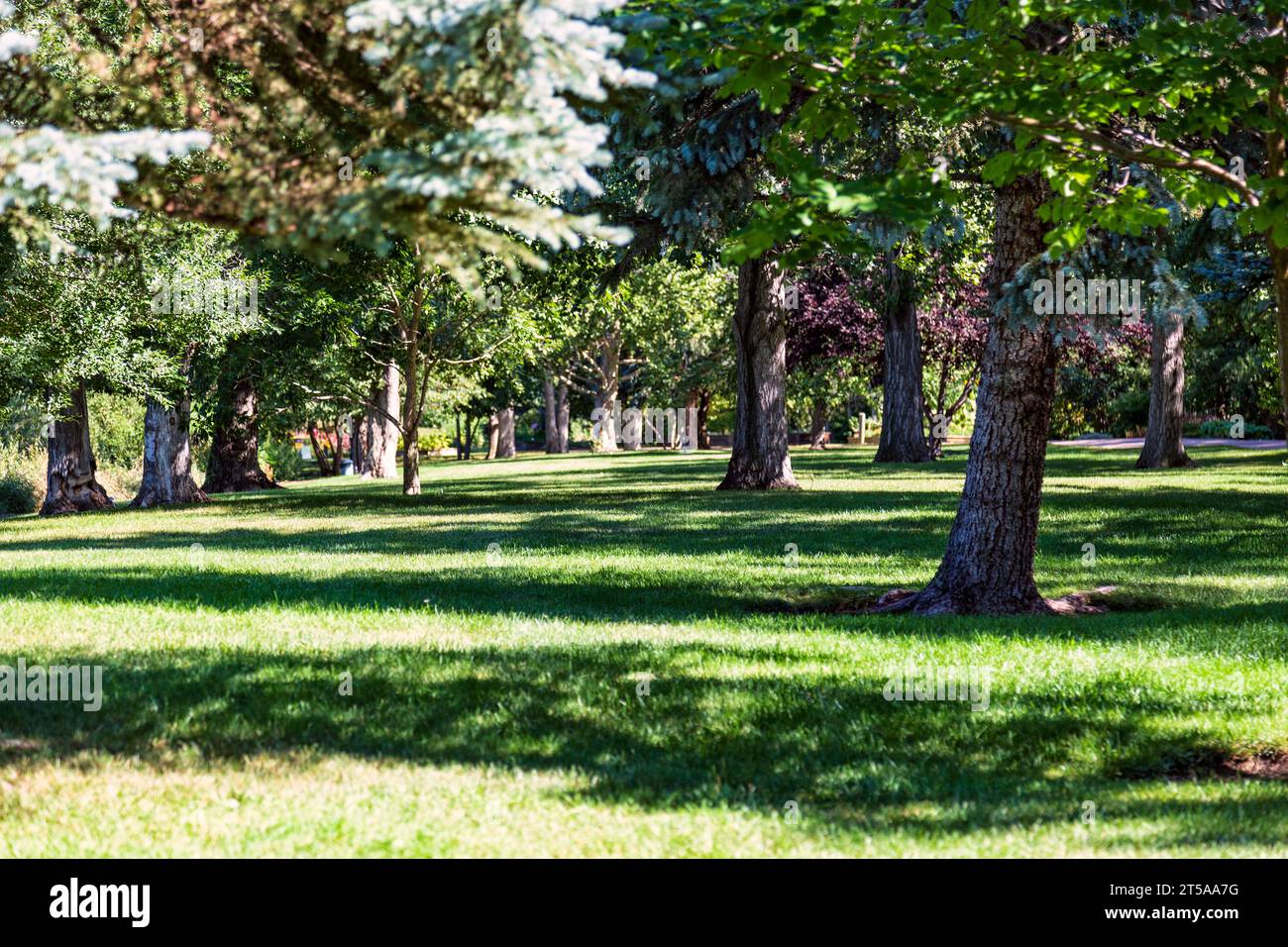
Grassed area surrounded by trees Stock Photo - Alamy